Business Growth
I never planned to work in hair
How one question in a salon chair led Linda Abboud to build Botanica, Australia's largest freelance-only salon model
Before Lumé, there was Botanica by Collective Space, a salon designed around the freelance stylists who work in it. Its founder, Linda Abboud, had no background in hair. In the first of two parts, she tells how 20 years in food manufacturing and one visit to the hairdresser changed her direction.
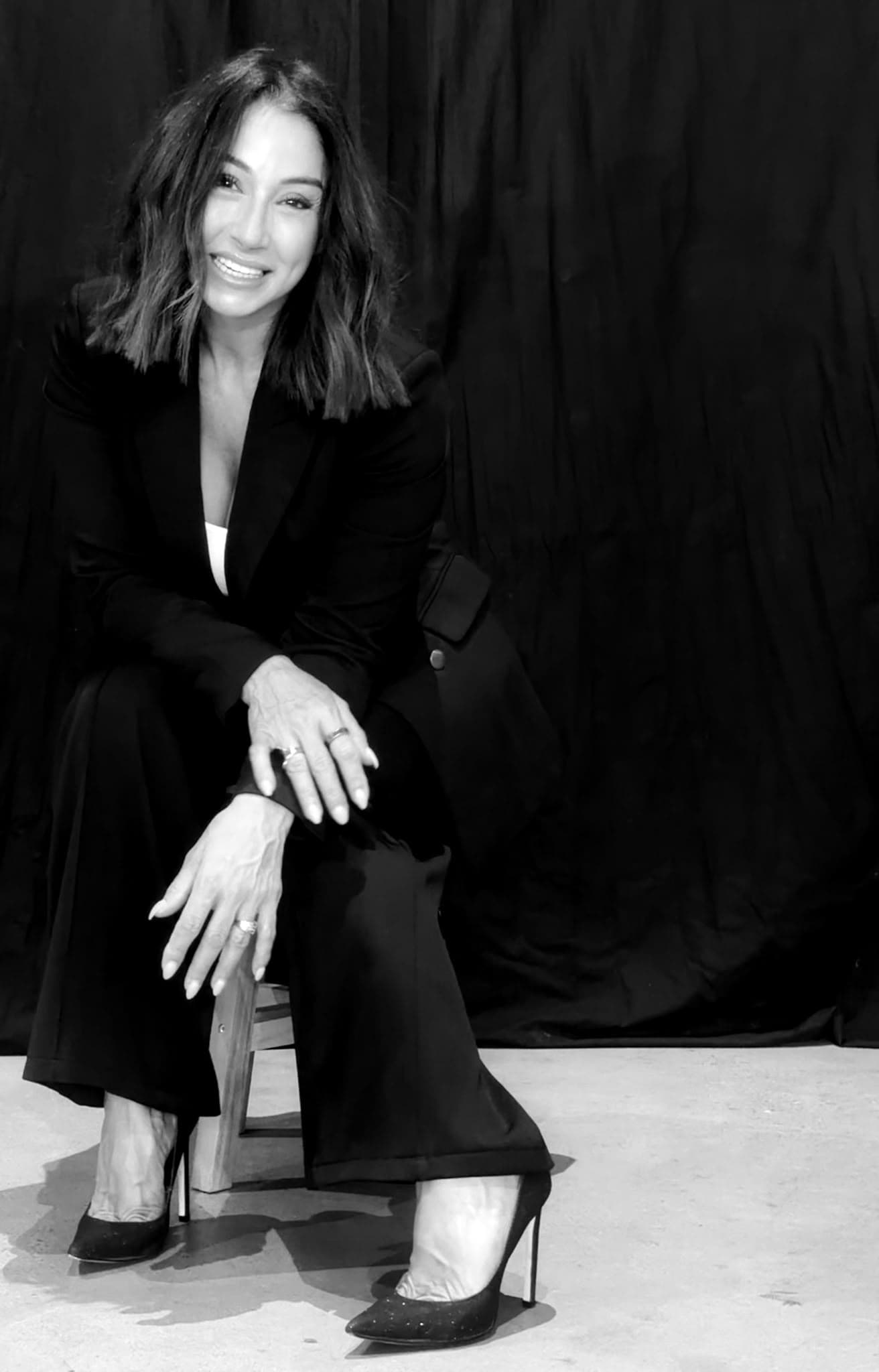
I started out as a make-up artist at 18. It was so long ago that I'd almost forgotten I ever did it. Life moved on, and for the next 20 years my world was food manufacturing.
I ran that business hands-on, side by side with my husband. We built it together, and for a long time it was our whole life. But over time I started to see the pattern. Costs kept climbing. Prices kept rising. The harder we worked, the less we seemed to keep. I was working more for less, and I wasn't happy.
I didn't want a bigger job. I wanted a different kind of income, something semi-passive that could release me from where I was.
The question that changed everything
The idea didn't arrive in a boardroom. It arrived in a salon chair.
I was getting my hair done, and I did what I always do: I started asking questions. How does this place work? How does it run? Where does the money come from? My hairdresser answered, and while we talked I began to notice things.
My coffee was coming out of the same small room where the colour bowls were being washed. Not hygienic, and not exactly a great experience for anyone. At the end of the day, the stylists' trolleys were shoved into a corner. There was barely any room to mix colour. And there were no lockers, so nobody had secure storage for their own belongings.
"The people paying to be there, the stylists, were being looked after the least."
The concept itself was great. But the people paying to be there, the stylists, were being looked after the least. The person running the model got to do other things while the people funding it worked in cramped, makeshift conditions.
I knew nothing about the hair industry. What I did know was space, function and styling. I'd spent two decades learning how things work when they're built properly. So it made sense to me: if I was going to do this, I'd do it the way I'd want it done if I were the one paying rent.
Designing the space I wished existed
I went looking for the right location and the right size, and I designed the space around one question: what would a stylist actually want from a co-working salon?
The answer became the brief:
- Secure storage for every individual
- A proper lunch room
- A coffee bar, away from anywhere colour is mixed
- Laundry facilities on site
- An onsite bathroom
- So much space that nobody is ever crowded, even on our busiest days
Space found. Lease signed. Now for the fitout.
I started in May 2021, in the middle of Covid, while I was still running the food business. Building a salon from scratch in the middle of a pandemic, with no hair industry background, with a business still demanding my attention.
And then came opening day.
Next, in part two: what happened when we opened the doors, and the problem that led me to Lumé.
Back to Journal